
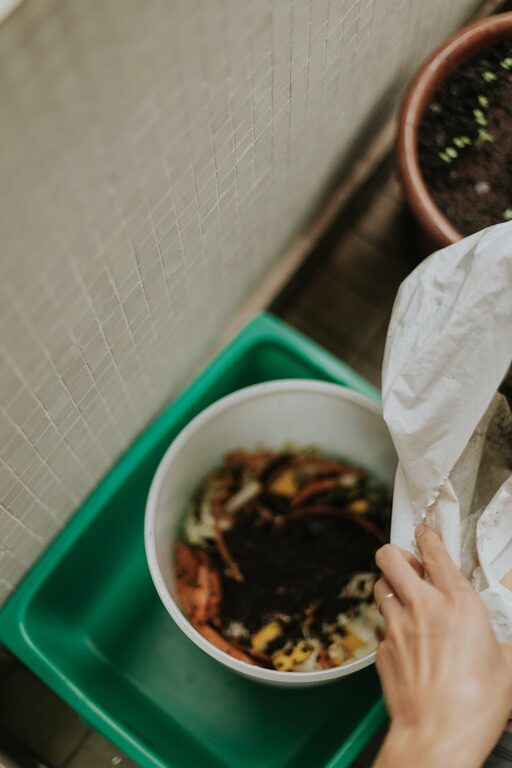
Reducing food waste at home is more than just a good habit—it’s a meaningful way to save money, conserve resources, and contribute to a healthier planet. Every year, millions of tons of food are discarded globally, much of which comes from household kitchens. Luckily, by adopting a few mindful practices, you can significantly cut down on waste and make your meals more efficient and enjoyable.
In this post, we’ll explore practical tips and strategies you can implement right away to reduce food waste in your home.
Understand the Impact of Food Waste
Before diving into solutions, it’s helpful to understand why food waste matters. Wasting food means wasting the energy, water, and labor that went into producing it. Additionally, discarded food often ends up in landfills where it emits methane, a potent greenhouse gas. Reducing food waste is an easy step toward sustainability that benefits both your wallet and the environment.
Plan Your Meals Ahead
One of the most effective ways to reduce food waste is by planning your meals before grocery shopping.
Benefits:
– Avoids overbuying perishable items
– Helps use up existing ingredients
– Saves time and money
How to plan:
– Create a weekly meal schedule
– Check your pantry and fridge before shopping
– Make a detailed shopping list based on your meals
Shop Smart and Mindfully
Shopping with a purpose reduces impulse buys that might spoil before use.
– Stick to your shopping list
– Buy loose fruits and vegetables to buy only what you need
– Understand expiration dates: “Best before” is about quality, not safety
– Choose frozen or canned options for longer shelf life when appropriate
Store Food Properly
Proper storage helps extend freshness and prevent premature spoilage.
Tips for storage:
– Store fruits and vegetables separately if they emit ethylene gas (e.g., apples and bananas)
– Use airtight containers for leftovers and opened packages
– Keep herbs fresh by placing them in water, like flowers
– Freeze bread, meat, or excess produce if you can’t use them soon
Practice Portion Control
Serving appropriate portions can reduce uneaten food that ends up in the bin.
– Use smaller plates to help control portion sizes
– Serve food family-style so people can take what they want
– Save leftovers immediately for meals later
Use Leftovers Creatively
Leftovers are a fantastic resource and should be embraced rather than discarded.
– Repurpose cooked vegetables in soups, stir-fries, or frittatas
– Transform stale bread into croutons or breadcrumbs
– Blend soft fruits into smoothies or bake them into desserts
– Make stock from bones and vegetable scraps
Compost Food Scraps
Not all food waste can be avoided, but composting helps reduce landfill waste.
– Set up a compost bin for fruit peels, coffee grounds, and vegetable scraps
– Avoid composting meat or dairy, which can attract pests
– Use the compost in your garden to enrich soil
Rotate Your Pantry
Keeping track of what you have helps you use ingredients before they expire.
– Organize pantry and fridge items by date
– Place older items at the front so you use them first
– Regularly check for items close to expiration and prioritize using them
Educate Everyone in Your Household
Encouraging all family members to be mindful creates a waste-conscious home.
– Discuss food waste and its impacts together
– Share meal planning and cooking responsibilities
– Challenge each other to reduce waste with friendly competitions
Final Thoughts
Reducing food waste is a journey that becomes easier with practice. By planning meals, shopping smart, storing food carefully, and getting creative with leftovers, you can make a noticeable difference in your household. Not only will you save money, but you’ll also contribute to a more sustainable future.
Try integrating some of these strategies today and watch how they positively impact your kitchen and lifestyle. Every small effort counts!