
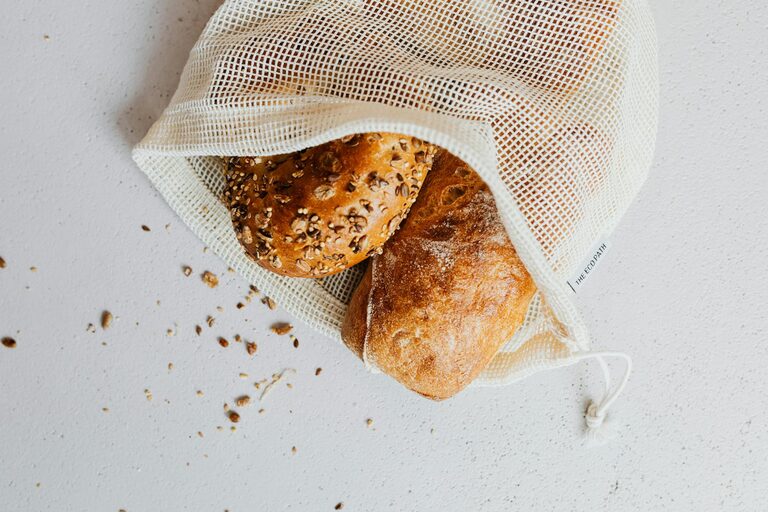
Planning meals using pantry staples is a smart way to make cooking easier and more affordable. Whether you’re short on fresh ingredients, shopping less often, or simply want to reduce waste, pantry staples provide a reliable base for countless meals. This guide will help you turn ingredients you already have into satisfying dishes that your whole family will enjoy.
Why Use Pantry Staples in Meal Planning?
Pantry staples like rice, pasta, canned beans, and spices are long-lasting ingredients that form the foundation of many recipes. Using them effectively can:
– Save money by reducing trips to the store
– Cut down on food spoilage and waste
– Encourage creativity with flavors and combinations
– Provide quick options when fresh groceries aren’t available
By building your meals around these versatile items, you can plan ahead and stay well-fed with less hassle.
Step 1: Take Inventory of Your Pantry
Before you start planning, take a few minutes to organize what you already have. Do a quick scan and jot down staples like:
– Grains: rice, quinoa, pasta, oats
– Canned goods: tomatoes, beans, tuna, coconut milk
– Baking essentials: flour, sugar, baking soda
– Oils and vinegars
– Dried herbs and spices: oregano, cumin, chili powder, garlic powder
– Nuts and seeds
– Broth or bouillon cubes
Knowing what’s on hand helps prevent buying duplicates and sparks ideas for meals.
Step 2: Identify Reliable Base Ingredients
Base ingredients are the heart of many dishes. Examples include:
– Rice or pasta as carbohydrate bases
– Beans or lentils for protein and fiber
– Canned tomatoes or broth for sauces and soups
– Eggs for quick protein additions
– Frozen vegetables or those from your pantry (e.g., canned corn or artichokes)
Combining a base with flavorings and protein leads to countless variations.
Step 3: Plan Meals Around Themes
Organizing meals by themes can simplify your approach. Some popular themes include:
– One-pot meals: Use rice, beans, and canned tomatoes to create chili or stew.
– Pasta dishes: Combine pasta with canned tuna, vegetables, and spices.
– Soup and stew: Use broth, lentils, vegetables, and herbs for warming soups.
– Buddha bowls: Layer cooked grains with beans, nuts, seeds, and dressings.
– Egg-based dishes: Shakshuka with canned tomatoes or frittatas with pantry vegetables.
Creating these themes helps you mix and match ingredients seamlessly.
Step 4: Build a Sample Weekly Meal Plan
Here’s a simple example based on common pantry items:
– Monday: Lentil and tomato soup with rice
– Tuesday: Spaghetti with garlic, canned tuna, and chili flakes
– Wednesday: Chickpea curry served with quinoa
– Thursday: Vegetable stir-fry with rice and soy sauce
– Friday: Bean and cheese quesadillas with salsa
– Saturday: Shakshuka using canned tomatoes and eggs
– Sunday: Pasta salad with canned artichokes, olives, and olive oil
Feel free to swap meals or adjust according to your preferences and available ingredients.
Step 5: Keep a Stock of Essential Pantry Staples
To stay prepared, stock up on versatile staples that suit your cooking style:
– Various dried beans and lentils
– Long-grain, brown rice, or quick-cooking grains like couscous
– Different types of pasta shapes
– Tomatoes in different forms (diced, paste, sauce)
– Basic spices: salt, pepper, paprika, cumin, oregano
– Oils like olive and vegetable oil
– Canned fish, coconut milk, and broth for added variety
Storing these in a cool, dry place will keep them fresh longer.
Step 6: Tips for Using and Enhancing Pantry Staples
– Add freshness: Incorporate fresh or frozen ingredients like garlic, onions, or leafy greens when possible.
– Use spices creatively: Even a small pinch of spice can transform a dish.
– Cook in batches: Make large pots of soup or stew for meals throughout the week.
– Don’t forget texture: Toast nuts or add crunchy toppings for interest.
– Keep it simple: Sometimes a little olive oil, salt, and pepper is all you need.
Bonus: Pantry Staples Recipe Ideas
Easy Bean Chili
– Canned beans (kidney, black, or pinto)
– Canned diced tomatoes
– Onion and garlic (fresh or powdered)
– Chili powder and cumin
– Serve with rice or tortilla chips
Tuna Pasta
– Pasta of your choice
– Canned tuna in olive oil
– Garlic and chili flakes
– Lemon juice or canned artichokes for brightness
Lentil Soup
– Lentils
– Onion, carrot, and celery (fresh or frozen)
– Broth or stock cubes
– Herbs like thyme or bay leaves
Final Thoughts
Planning meals from pantry staples is not only budget-friendly but also encourages flexibility and creativity in the kitchen. By keeping an organized pantry, understanding your versatile ingredients, and trying new combinations, you can whip up delicious meals with confidence—no last-minute store runs needed.
Start organizing your pantry today and enjoy the convenience of tasty meals built from staples you already have!