
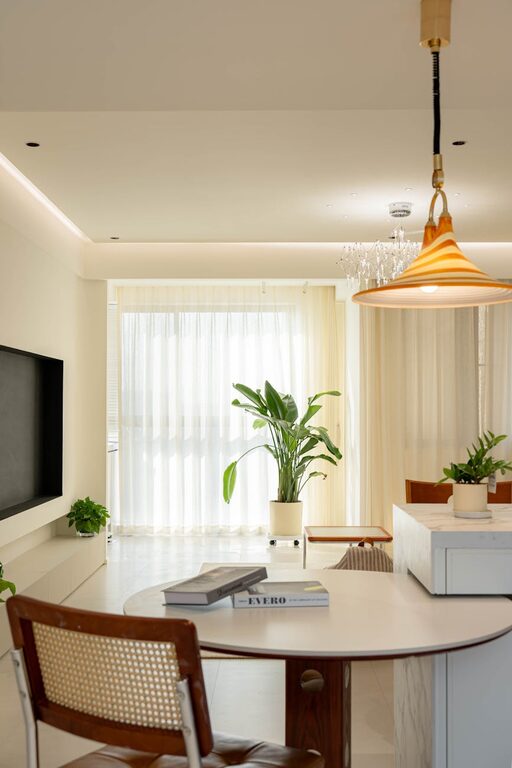
Creating a calm and quiet environment at home can greatly improve your comfort, focus, and overall well-being. Whether you live in a busy neighborhood, near traffic, or have noisy household activities, reducing unwanted noise is a practical goal. Fortunately, you don’t need expensive renovations or complex installations to make your home more peaceful. In this post, we’ll explore simple and affordable ways to reduce noise at home that anyone can try.
Why Reducing Noise Matters
Noise pollution can disrupt sleep, increase stress, and reduce productivity. Even everyday sounds like traffic, neighbors, or appliances can add up to an overwhelming noise level. Creating a quieter space helps:
– Improve sleep quality
– Enhance concentration and work performance
– Foster relaxation and reduce stress
– Increase privacy inside your home
Now, let’s look at effective steps you can take to reduce noise.
Identify Noise Sources
Before tackling noise, it helps to know where it’s coming from. Common noise sources include:
– Outside traffic or street noise
– Neighbors or adjacent units (in apartments)
– Household appliances and electronics
– Pets or family members
– Heating, ventilation, and air conditioning (HVAC) systems
– Flooring and wall structure transmitting sound
Once you know the main offenders, you can choose the most suitable methods to reduce their impact.
Simple DIY Solutions to Reduce Noise
1. Use Soft Furnishings to Absorb Sound
Hard surfaces reflect sound, increasing noise levels. Adding soft furnishings can absorb sound waves and reduce echo.
– Place thick rugs or carpets on floors
– Use heavy curtains or drapes on windows
– Add upholstered furniture like sofas and armchairs
– Include cushions, pillows, and fabric wall hangings
These elements help muffle noise, especially in living rooms and bedrooms.
2. Seal Gaps and Cracks
Sound often sneaks through small gaps around doors and windows.
– Use weatherstripping tape around door and window frames
– Apply door sweeps to block sound from the bottom of doors
– Seal cracks with caulk or acoustic sealant, especially around window frames, baseboards, and electrical outlets
These inexpensive fixes can significantly reduce airflow and noise infiltration.
3. Rearrange Furniture Strategically
Furniture placement can act as a sound barrier. Try these tips:
– Place bookshelves filled with books against shared walls
– Position sofas or large furniture near noisy windows or walls facing neighbors
– Use room dividers or folding screens to create quiet zones
Strategic arrangement softens sound travel across rooms.
4. Add Sound-Absorbing Panels
Acoustic panels or foam tiles are designed to absorb sound and can be installed on walls or ceilings.
– These panels reduce echo and cut down noise within a room
– They come in various styles and colors to match your decor
– Affordable DIY kits are available online
Use them in home offices, media rooms, or noisy areas.
5. Use White Noise or Sound Machines
If you can’t completely block noise, masking it with soothing sounds can help.
– White noise machines produce a consistent sound that covers distracting noises
– Apps for smartphones offer ambient sounds like rain, ocean waves, or soft music
– Ideal for improving sleep and focus
This is a simple way to create a calming auditory environment.
Medium-Level Noise Reduction Techniques
6. Upgrade Windows and Doors
Windows and doors are major sound entry points.
– Installing double or triple-pane windows helps reduce outdoor noise
– Consider laminated glass for better sound insulation
– Solid-core doors block sound better than hollow ones
– Use heavy curtains in combination with upgraded windows for extra effect
Though more costly, these upgrades improve comfort and add value to your home.
7. Add Rugs with Thick Padding
If replacing flooring isn’t an option, layer rugs with thick padding underneath.
– Padding adds insulation and muffles footsteps and impact noises
– Use rugs in hallways, bedrooms, and living areas
Layering textiles is an easy, budget-friendly way to quiet a home.
8. Insulate Walls and Ceilings
Sound can travel through thin walls and ceilings.
– Adding insulation or soundproof drywall can block noise between rooms
– This option often requires professional help but can be done during renovations
If noise is severe, structural solutions may be necessary.
Everyday Habits to Keep Noise Down
– Close doors and windows when possible to reduce sound from outside
– Avoid running loud appliances like washing machines or vacuum cleaners late at night
– Use soft-close mechanisms on drawers and cabinets
– Encourage family members to keep noise levels low during quiet hours
Small changes in habits can create a more peaceful home environment.
Final Thoughts
Reducing noise at home doesn’t have to be complicated or expensive. Start with identifying noise sources, then try soft furnishings, sealing gaps, and rearranging furniture. If needed, explore upgrades like acoustic panels or soundproof windows. Maintaining a quieter home will boost your comfort, promote rest, and create a welcoming atmosphere.
Try some of these easy ideas today to enjoy a calmer, more peaceful home!